Educational Archive

President Ziaur Rahman

Sixth President of Bangladesh (1977–1981) — military leader, Liberation War figure, and founder of the Bangladesh Nationalist Party (BNP)

This curated overview presents key milestones and themes for study and reflection. Content is framed for historical literacy—not advocacy—and invites readers to consult primary sources and scholarly works.

Scroll

Biography at a Glance

A concise, neutral summary for classroom use and general reference.

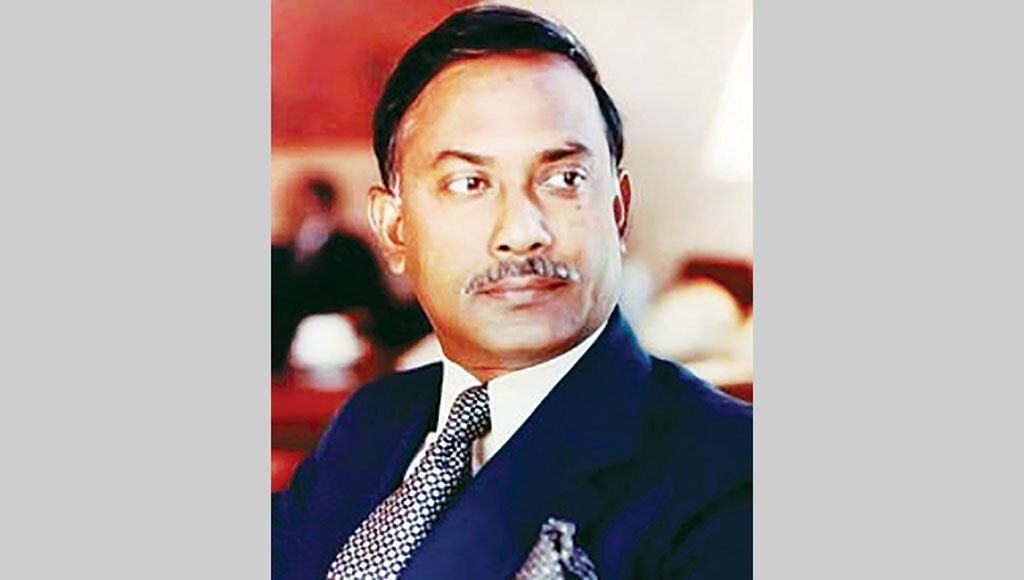
Formal portrait of Ziaur Rahman in a dark suit, white shirt, and patterned tie
Formal portrait — late 1970s / early 1980s era.

Historical summary

Ziaur Rahman (19 January 1936 – 30 May 1981) was a Bangladeshi military leader and politician who served as the sixth president of Bangladesh from 1977 until his assassination in 1981. One of the leading figures of the country's independence war, he broadcast the Bangladeshi declaration of independence in March 1971 from Chittagong.

In the aftermath of the Sipahi-Janata revolution in 1975, he consolidated power and led Bangladesh with pragmatic policies—often discussed in terms of economic liberalization and civic nationalism—that many accounts connect to the country's economic recovery in that period. In Bangladesh he is commonly referred to as the "Shaheed President" (Martyr President). He founded the Bangladesh Nationalist Party (BNP).

Interpretations of his tenure vary across historians and primary accounts. This site summarizes widely cited facts and themes while encouraging verification through archival documents and peer-reviewed scholarship.

Read More

Historical Timeline Preview

Key dates for orientation—expand with citations in dedicated timeline pages.

Birth

Born 19 January in Bogra District, Bengal Presidency, British India—later East Pakistan and Bangladesh.

Liberation War

A leading figure in the war of independence; in March he broadcast the declaration of independence from Chittagong.

Presidency

Became the sixth president; after 1975's Sipahi-Janata revolution he had consolidated leadership. His term is often associated with economic liberalization, civic nationalism, and founding the BNP.

Assassination & legacy

Died 30 May in an assassination that ended his presidency; he is widely remembered as "Shaheed President." Historiography continues to assess his long-term impact.

Major Historical Contributions

Four lenses commonly used in curricula and documentary storytelling.

Military Leadership

Career progression within Pakistan Army and Bangladesh Army; command responsibilities during conflict and reconstruction.

Liberation War Role

Among the leading figures of 1971; the March broadcast of the declaration of independence from Chittagong remains central in many national narratives.

Presidency

Sixth president (1977–1981): pragmatic governance often tied to economic recovery, civic nationalism, and party politics—including founding the Bangladesh Nationalist Party (BNP).

Foreign Relations

Diplomatic outreach and regional alignments—best understood through ministry archives and diplomatic correspondence.

Famous Quotes

Representative excerpts for study—verify wording and context in primary collections.

“Placeholders stand in for attributed quotations pending archival verification and rights clearance.”

— Archival note

Educational Disclaimer

This website is an independent educational and historical archive intended for informational purposes.

It does not endorse political parties or positions. Interpretations evolve; always cross-check facts, dates, and quotations against primary sources.